
Maya Lin
Editor
Nov 2, 2026
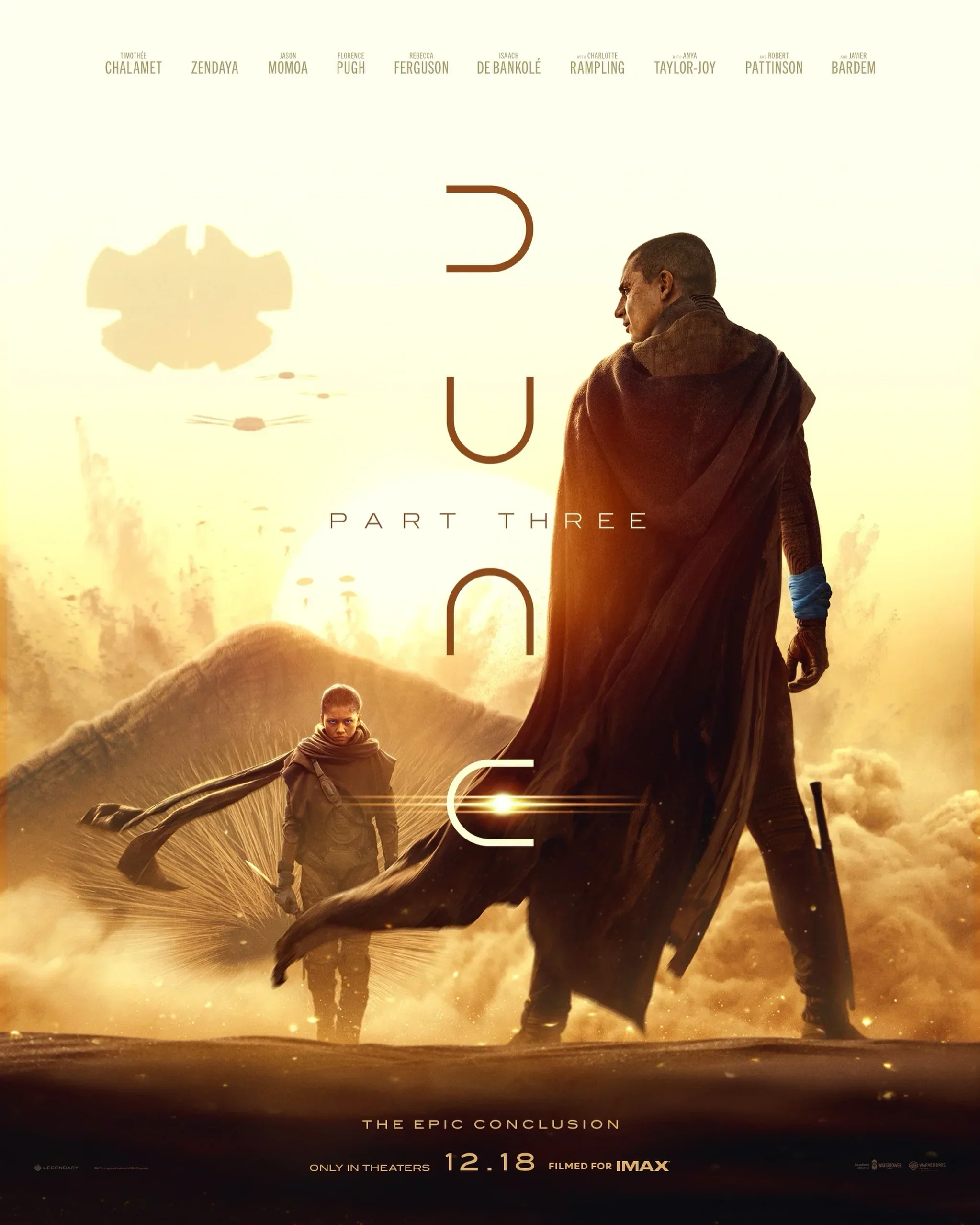
The sands of Arrakis are calling once again. After the epic battles, political betrayals, and breathtaking desert landscapes of Dune: Part Two (directed by Denis Villeneuve), Denis Villeneuve returns with Dune: Part Three, the highly anticipated conclusion to his cinematic adaptation of Frank Herbert’s legendary science-fiction saga.
Based on Herbert’s 1969 novel Dune Messiah, the third installment takes a darker turn, moving beyond Paul Atreides’ triumphant rise to power to explore the devastating consequences of his imperial rule. Nearly two decades after seizing the throne, Paul is no longer the young heir fighting for survival in the desert. He is now an emperor struggling to escape the religious movement, political conspiracies, and cycle of violence built around his name.
Starring Timothée Chalamet, Zendaya, Florence Pugh, Anya Taylor-Joy, Robert Pattinson, and Jason Momoa, the upcoming film introduces new threats and explores the complicated relationships at the heart of the Atreides dynasty.
Whether you’re a longtime fan of the franchise or need a refresher before returning to Arrakis, here’s everything you need to know about Dune: Part Three, from the ending of the previous film and the major characters to the mythology, production, and fashion behind the sci-fi epic.
1. When Does Dune: Part Three Come Out?
Dune: Part Three is scheduled to arrive in North American theaters and IMAX on December 18, 2026, with international releases beginning December 16.
Denis Villeneuve returns as director and co-writer, collaborating with Brian K. Vaughan on the screenplay. The film is produced by Legendary Pictures and distributed by Warner Bros. Pictures.
The third installment marks the conclusion of Villeneuve’s cinematic Dune trilogy, following Dune (2021) and Dune: Part Two (2024). Ahead of the third film’s debut, Warner Bros. and Legendary announced that Dune and Dune: Part Two will return to IMAX theaters for one week only, accompanied by an exclusive sneak peek of Dune: Part Three.
2. Where Did Dune: Part Two Leave Off?
Before understanding the third film, it’s important to revisit the dramatic events that brought Paul Atreides to the imperial throne in Denis Villeneuve’s Dune: Part Two.
Paul Atreides Defeated House Harkonnen and Claimed the Throne
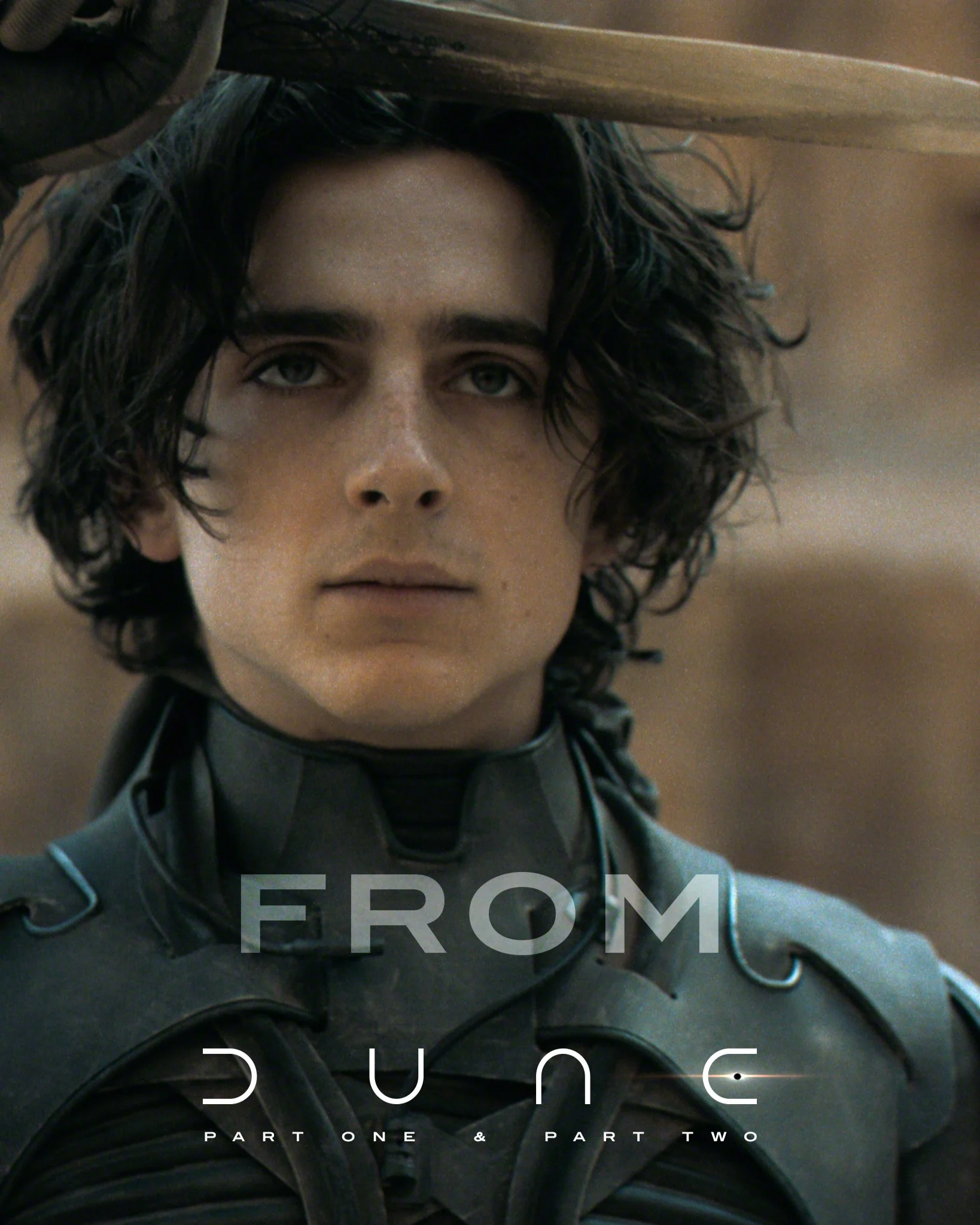
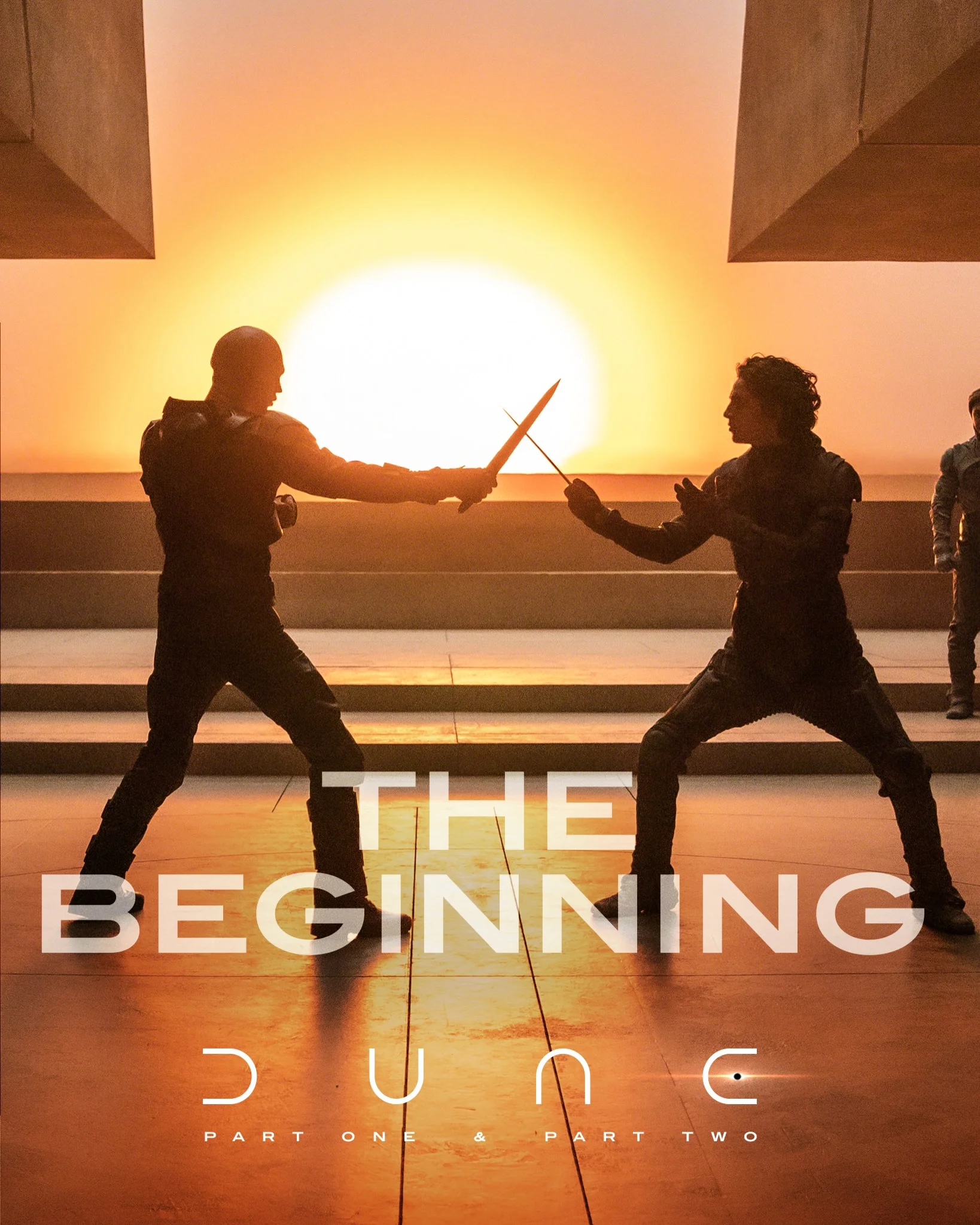
After joining the Fremen and leading their rebellion against House Harkonnen, Paul confronts Feyd-Rautha Harkonnen in a deadly duel. Paul defeats Feyd-Rautha, avenging his father and securing victory over the Harkonnens.
He then confronts Padishah Emperor Shaddam IV (Christopher Walken), demanding his surrender and claiming the imperial throne. To legitimize his political position, Paul announces his intention to marry the Emperor’s daughter, Princess Irulan.
The Fremen Holy War Began
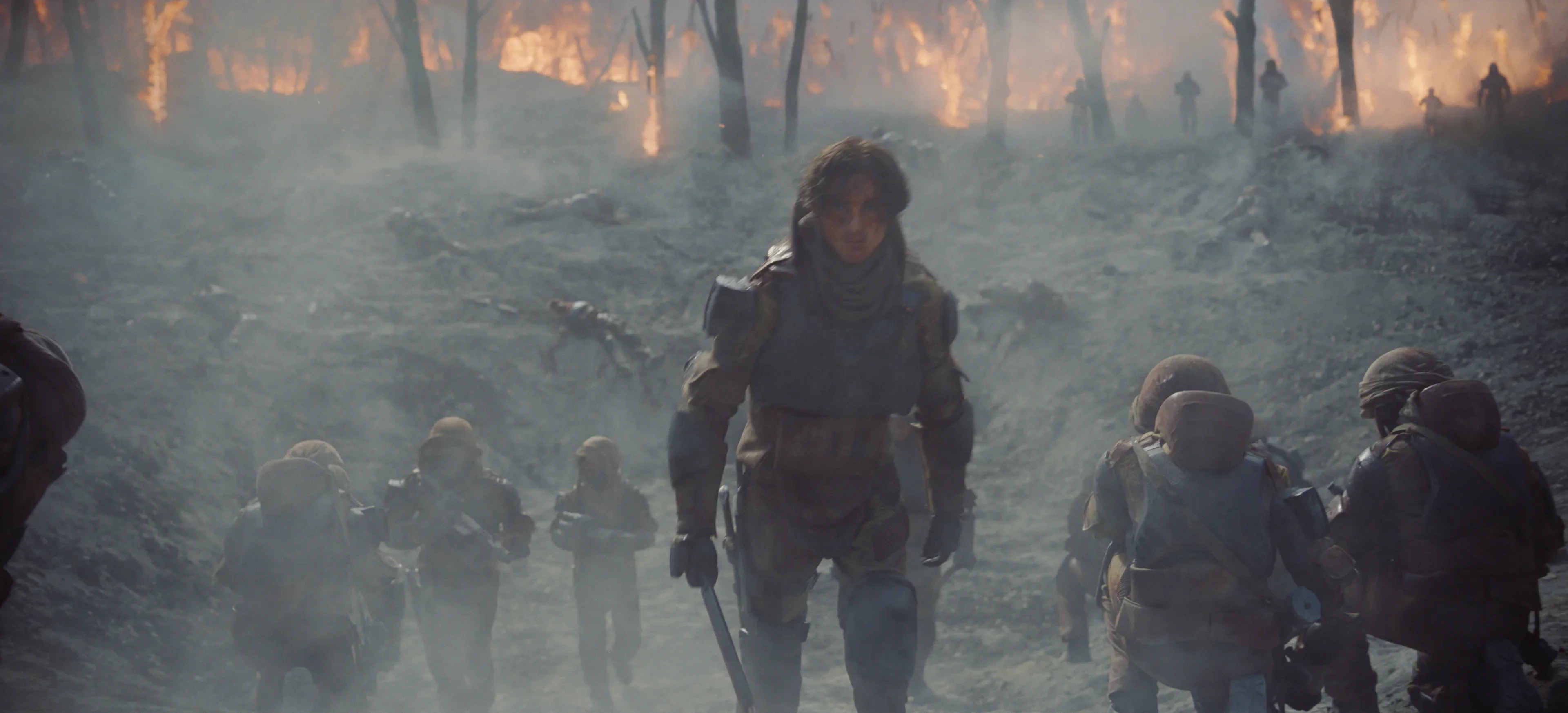
Paul’s victory does not bring peace to the Imperium. The Great Houses refuse to recognize a Fremen-backed emperor, prompting Paul to send the Fremen into battle against those who oppose his rule.
His religious followers believe he is the prophesied messiah, Muad’Dib. What began as a rebellion to liberate Arrakis has now become a much larger religious and political conflict.
The holy war is no longer simply a possibility in Paul’s visions. It has begun.
Chani Walked Away From Paul
Perhaps the most significant emotional turning point comes from Chani, Paul’s Fremen partner.
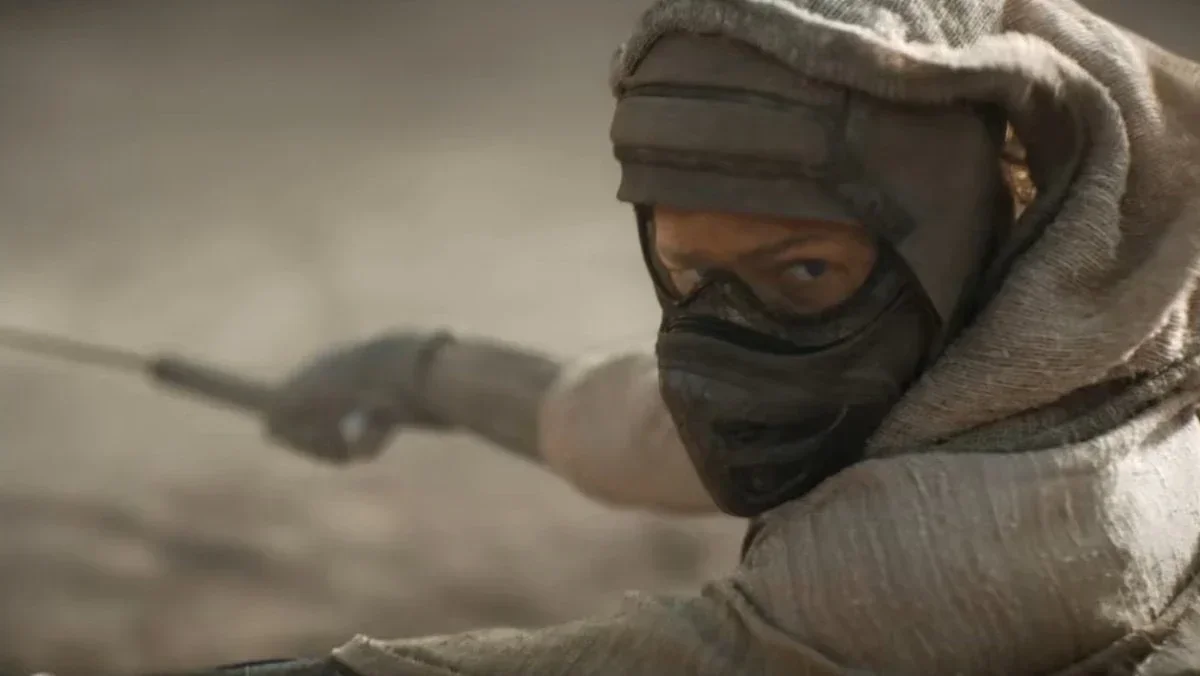
Throughout Dune: Part Two, Chani questions the prophecy surrounding Paul and worries that the Fremen are being manipulated by religious beliefs planted generations earlier. She loves Paul but does not want to worship him as a messiah.

When Paul chooses to marry Princess Irulan for political reasons and embraces his imperial destiny, Chani feels betrayed. Rather than accepting his decision, she walks away into the desert and rides a sandworm alone.
This is an important departure from Frank Herbert’s original novel. In Dune, Chani remains Paul’s devoted partner and accepts his political marriage to Irulan. Villeneuve’s adaptation gives Chani a more independent and defiant position, creating a significant emotional difference that the third film must address.
3. The 17-Year Time Jump: What Has Changed?
One of the biggest differences between Dune: Part Two and Dune: Part Three is the passage of time.
The official film synopsis describes the story as taking place nearly two decades after Paul seized control of the Imperium. The new trailer places the events approximately 17 years after the previous film.
This is slightly different from the source novel, Dune Messiah, which begins 12 years into Paul’s reign.
Nearly two decades after seizing the throne, Paul is no longer the young heir fighting for survival in the desert. He is now an emperor struggling to escape the religious movement, political conspiracies, and cycle of violence built around his name.
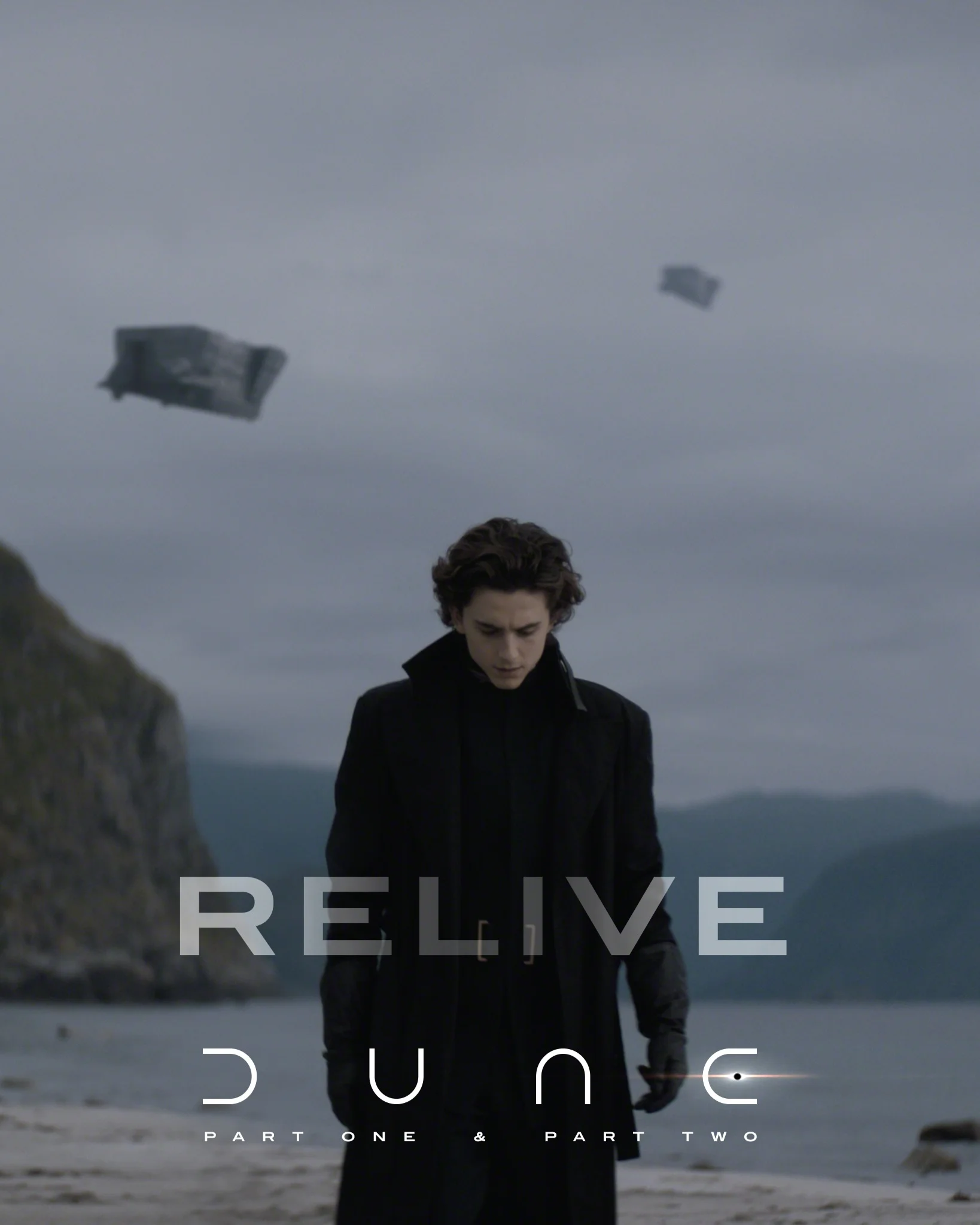
By the time the third film begins, the political landscape has changed dramatically.
Paul’s Empire Has Expanded
Paul is now Emperor Muad’Dib, a ruler whose authority extends across the known universe. His followers have transformed him into a religious icon, and the Fremen holy war has spread far beyond Arrakis.
In Dune Messiah, Paul estimates that his jihad has resulted in approximately 61 billion deaths, the sterilization of 90 planets, and the destruction of numerous religious communities.
This staggering figure illustrates the devastating consequences of the religious movement surrounding him. Although Paul once hoped to prevent the violence he foresaw, he now finds himself trapped within the system created in his name.
The Hero Has Become a Complicated Ruler
Frank Herbert wrote Dune Messiah partly to challenge readers who interpreted the original Dune as a straightforward heroic journey.
Paul’s rise to power is not presented as a simple victory. His transformation into a messianic emperor raises difficult questions about religious fanaticism, political ambition, and the dangers of placing absolute faith in a single leader.
Rather than celebrating the rise of a chosen hero, Dune: Part Three explores the cost of becoming one.
4. Who Is Returning in Dune: Part Three? Meet the Cast and Characters
The third film brings back familiar characters while introducing important new figures who will shape the future of the Atreides dynasty.
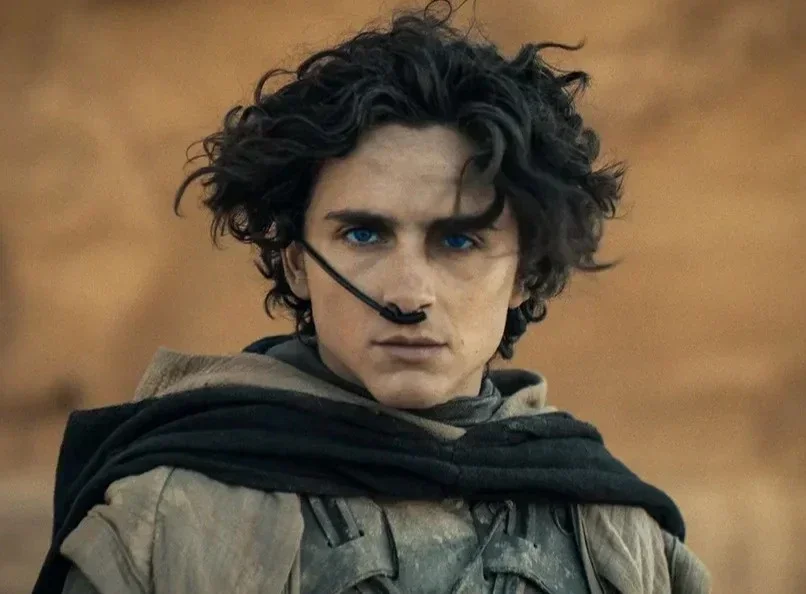
Timothée Chalamet as Paul Atreides / Muad’Dib
Paul is now Emperor of the known universe, but his growing power comes with increasingly difficult choices. Haunted by visions of the future and the possibility of imperial collapse, he must confront the consequences of the religious movement built around him.
Zendaya as Chani
Chani is a fierce Fremen warrior whose relationship with Paul remains central to the story. After rejecting his decision to marry Irulan and embrace his messianic identity, she has separated herself from the imperial court.
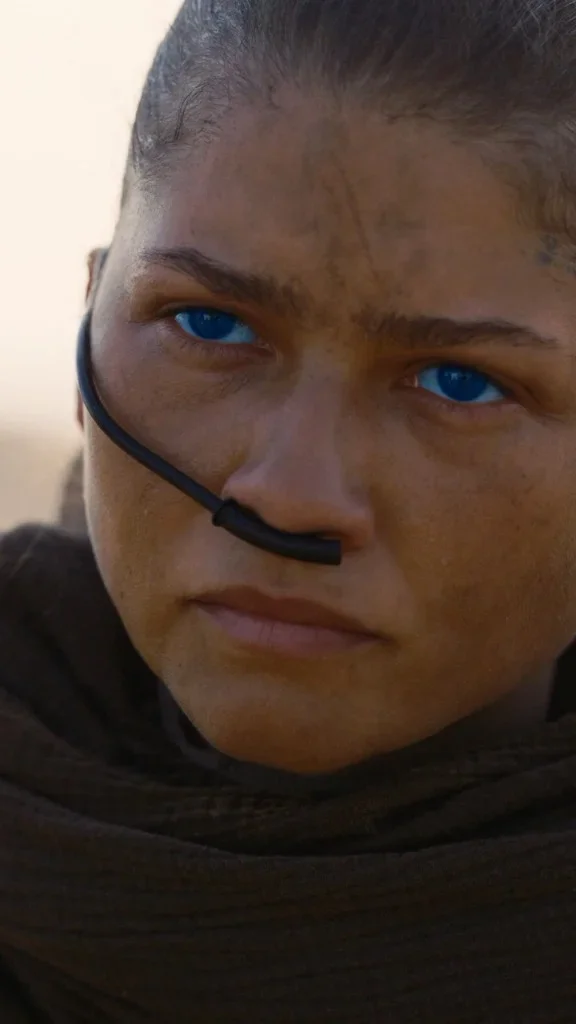
The official synopsis places Chani at the heart of the unfolding mystery, while the trailers hint at a significant development in her relationship with Paul.
Florence Pugh as Princess Irulan
Princess Irulan becomes Paul’s imperial wife through a political marriage designed to legitimize his claim to the throne. As a member of the Bene Gesserit sisterhood, she also has her own political motivations.
In the source novel, Irulan becomes involved in a conspiracy against Paul, partly because she is unable to provide the Emperor with an heir.
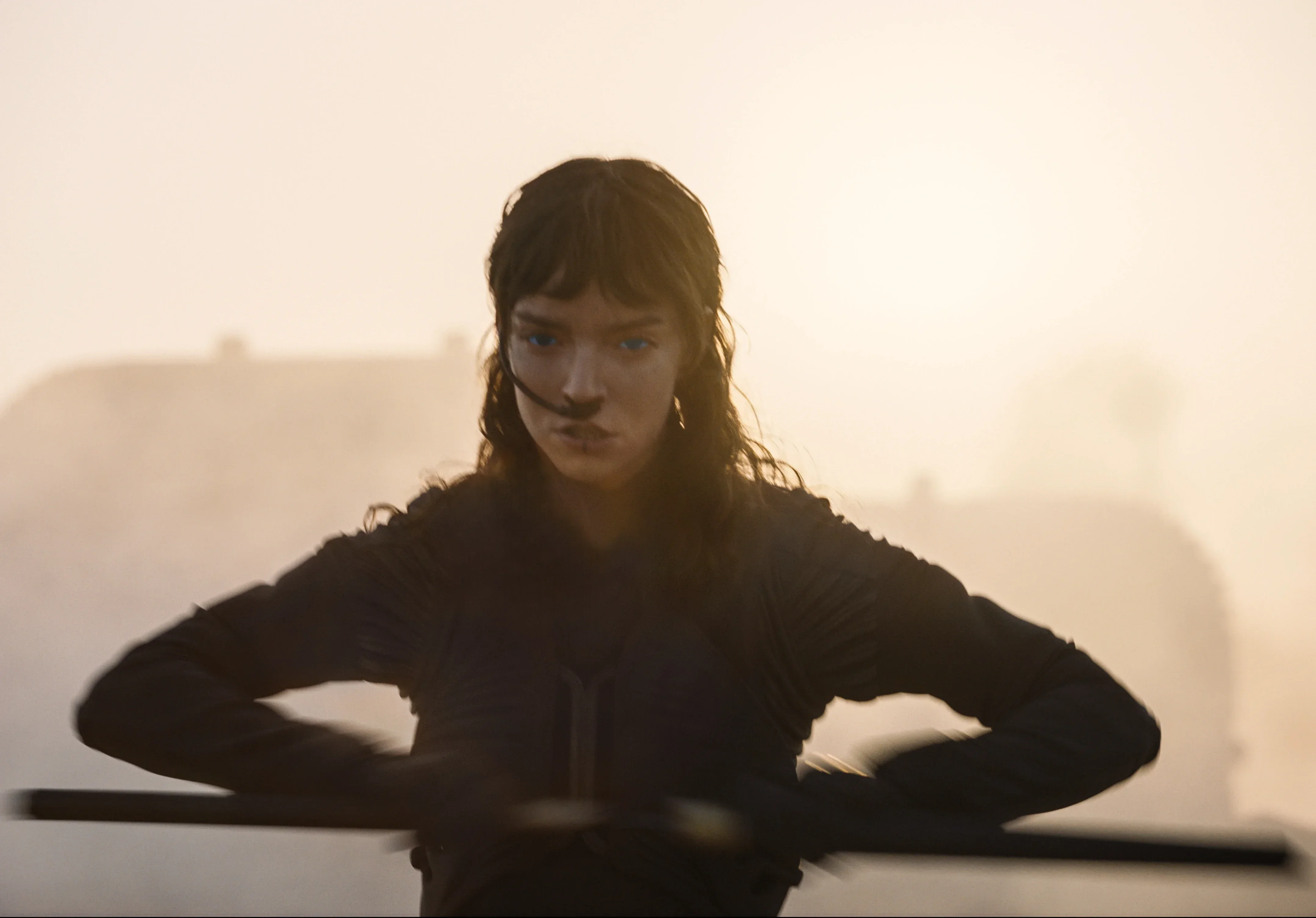
Anya Taylor-Joy as Alia Atreides
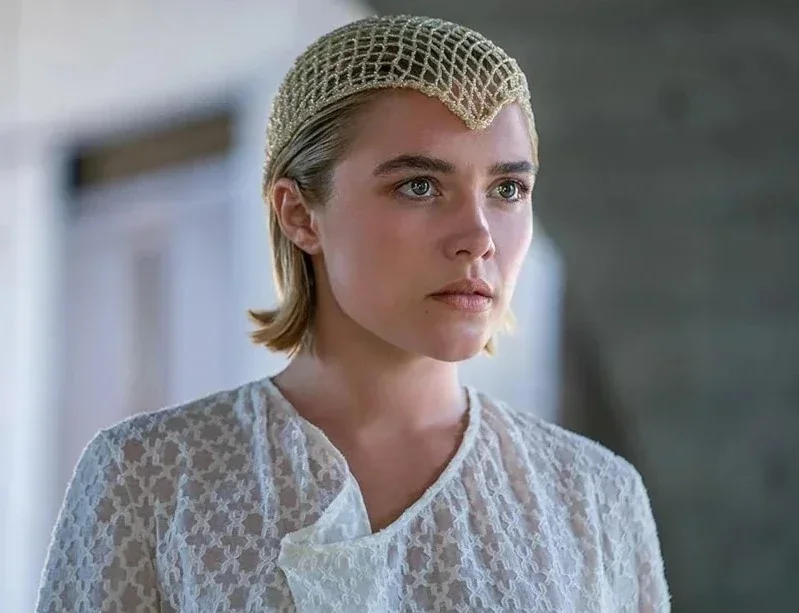
Paul’s younger sister, Alia, possesses extraordinary abilities because of her exposure to ancestral memories before birth. In the third film, she is now an adult and an important figure within the Atreides dynasty.
Her unusual mental abilities also make her vulnerable to the influence of past generations, a condition explored in Herbert’s novel.
Jason Momoa as Duncan Idaho / Hayt
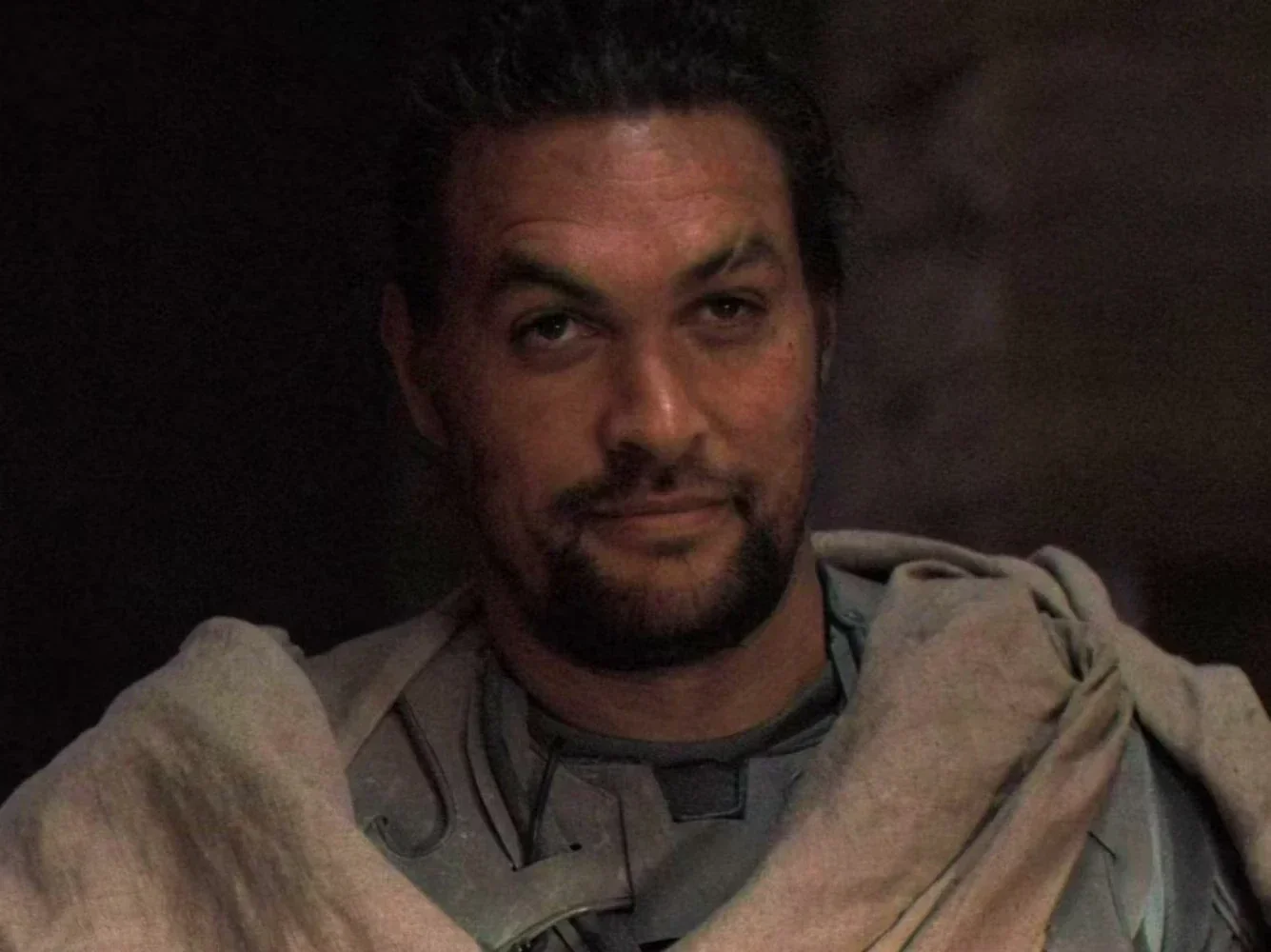
Jason Momoa returns in a surprising role connected to Duncan Idaho, the loyal Atreides warrior who died in the first film.
In Dune Messiah, the Bene Tleilax create a ghola, a genetically reconstructed version of Duncan, called Hayt. Although Hayt initially lacks Duncan’s original memories, his identity becomes central to the novel’s conspiracy against Paul.
Robert Pattinson as Scytale
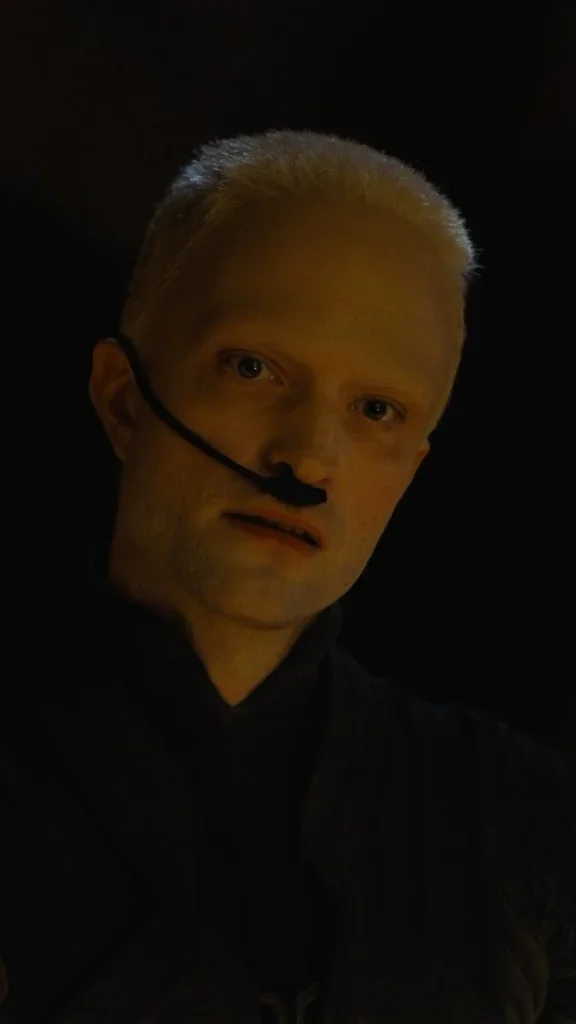
Robert Pattinson joins the franchise as Scytale, a mysterious Face Dancer associated with the Bene Tleilax. His ability to manipulate appearances makes him a dangerous figure in the political conspiracy surrounding Paul.
Other Returning and New Cast Members
Rebecca Ferguson as Lady Jessica
Paul’s mother and a member of the Bene Gesserit sisterhood, Lady Jessica continues to navigate the complex web of religious prophecy and imperial influence she helped construct on Arrakis.

Javier Bardem as Stilgar
The Fremen leader who helped Paul rise to power, Stilgar remains Paul’s most fervent believer and commander of the Fremen forces.

Josh Brolin as Gurney Halleck
A loyal Atreides warrior and warmaster, Gurney Halleck stands as Paul’s enduring connection to the honorable heritage of House Atreides.

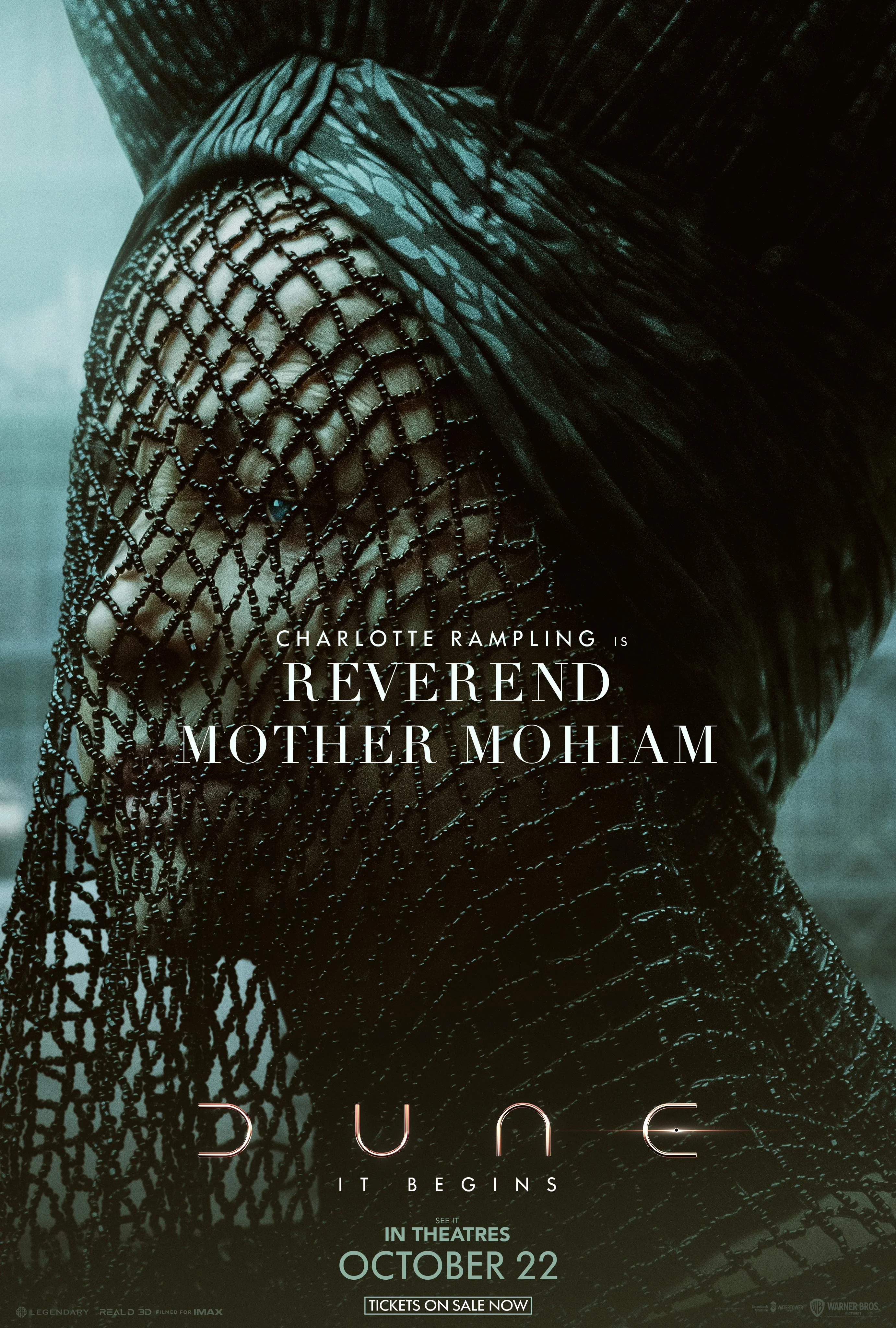
Charlotte Rampling as Reverend Mother Gaius Helen Mohiam
The Imperial Truthsayer and senior Reverend Mother of the Bene Gesserit, Mohiam continues her clandestine plotting to preserve the Sisterhood’s ancient genetic designs.
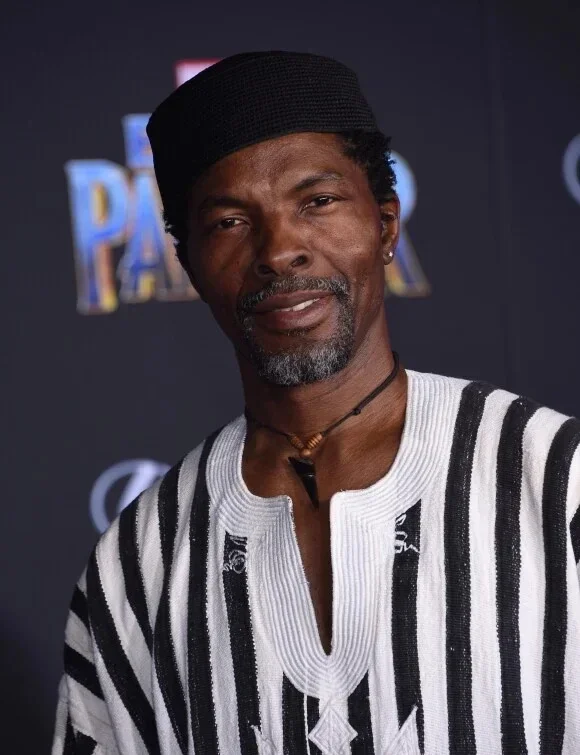
Isaach de Bankolé as Farok
Joining the saga as Farok, an influential Fremen warrior who rode into the holy war and now questions the sweeping cosmic cost of the crusade.
Nakoa-Wolf Momoa as Leto II
Paul and Chani’s son, Leto II carries the immense weight of the Atreides bloodline and pre-born ancestral knowledge that will determine the ultimate future of humanity.
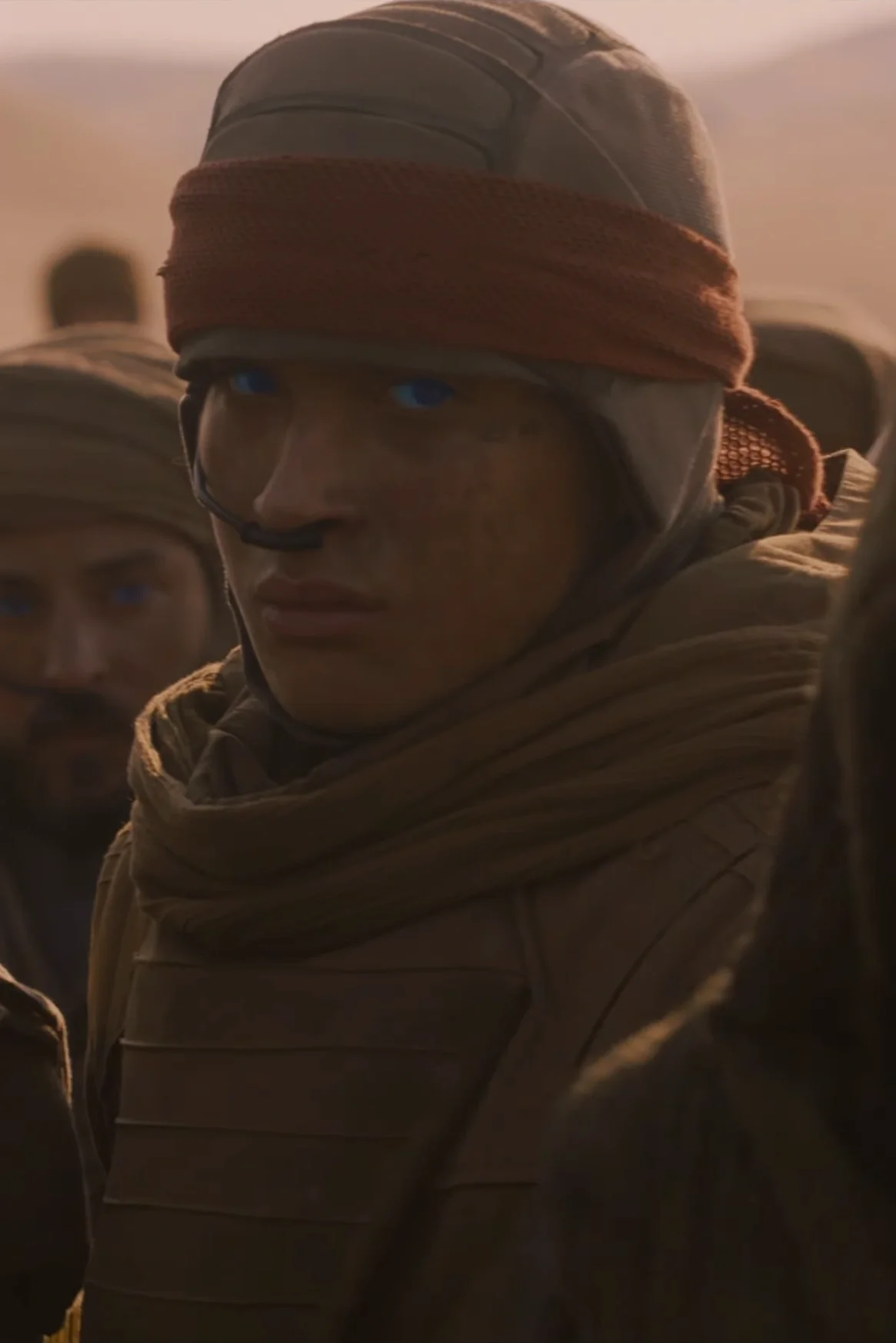
Ida Brooke as Ghanima
Paul and Chani’s daughter and Leto II’s twin sister, Ghanima shares her brother’s deep prescient awareness while anchoring the Atreides lineage against imperial conspirators.
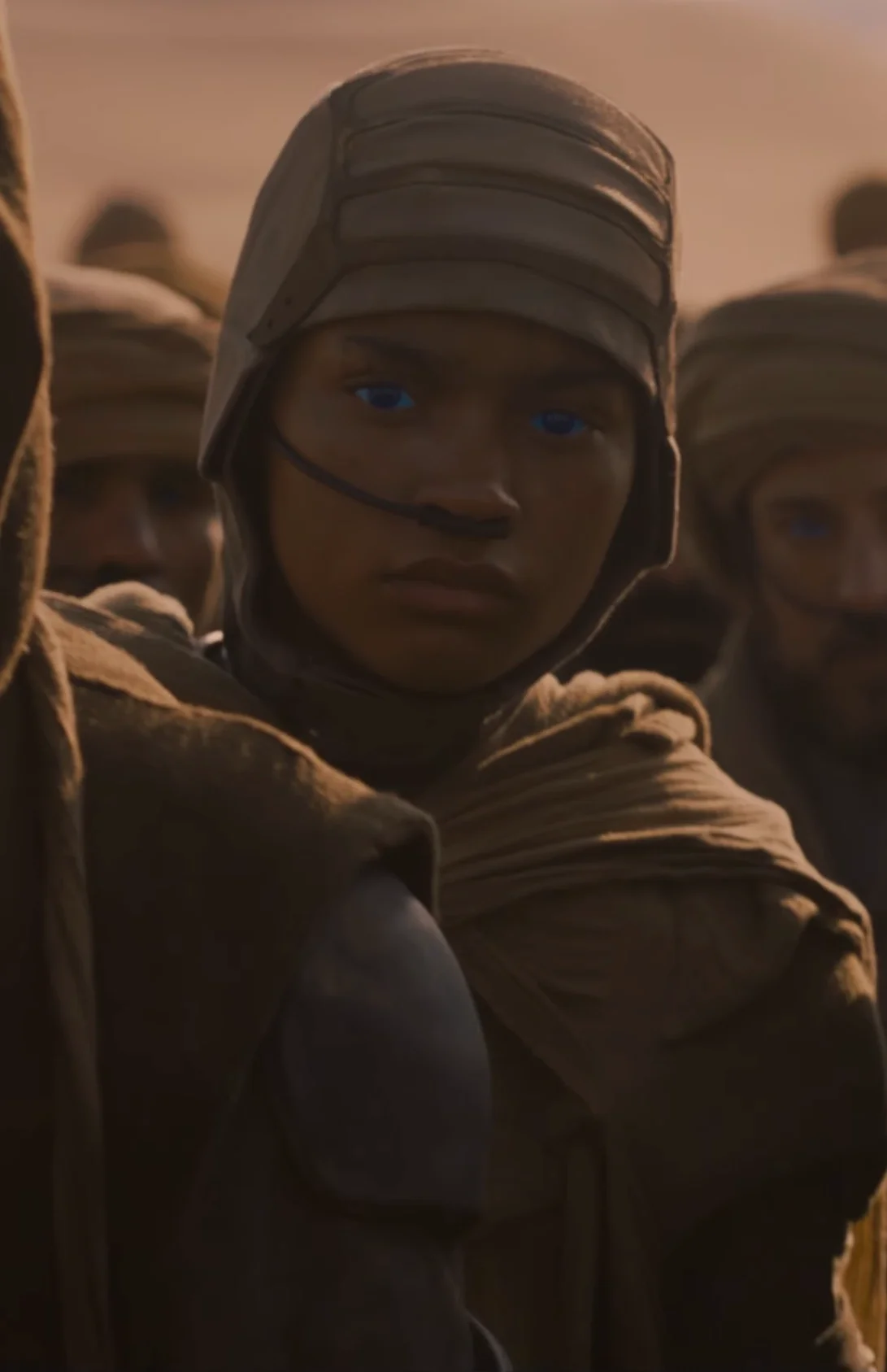
The inclusion of Leto II and Ghanima is particularly significant for readers familiar with the original novels, as the Atreides twins become central to the wider Dune saga.
5. The Dune Universe Explained: Five Important Concepts to Know
The world of Dune is built around complex political factions, religious beliefs, and extraordinary technologies. Understanding a few key concepts makes the story much easier to follow.
- Arrakis and the Spice Melange: Arrakis, also known as Dune, is a harsh desert planet that produces spice melange, the most valuable substance in the universe. Spice extends life, enhances mental abilities, and makes interstellar navigation possible. Because the entire imperial economy depends on its supply, control over Arrakis means enormous political and economic power.
- The Fremen: The Fremen are the native people of Arrakis, known for their exceptional survival skills and deep connection to the desert. Their traditions, including the use of stillsuits to conserve water and their ability to ride sandworms, distinguish them from the rest of the Imperium. Their belief in a prophesied leader plays a crucial role in Paul’s rise to power.
- The Bene Gesserit: The Bene Gesserit is a powerful sisterhood that uses advanced physical and mental training, political influence, and carefully controlled breeding programs to shape humanity’s future. Lady Jessica and Princess Irulan are both connected to this organization. The sisterhood’s long-term plans are closely tied to Paul’s unusual abilities and the future of the Atreides bloodline.
- The Imperium and the Great Houses: The Imperium is the political system governing the known universe. Powerful noble families, known as the Great Houses, control different planets and compete for influence. Paul’s rise to the throne disrupts this established balance of power, creating enemies among the political factions that once controlled the empire.
- The Bene Tleilax: The Bene Tleilax are a secretive faction known for genetic engineering, biological manipulation, and the creation of gholas. Their technological capabilities allow them to reconstruct individuals from the dead, creating new possibilities for memory, identity, and political manipulation. Their involvement in the conspiracy against Paul introduces some of the most unusual elements of Dune Messiah.
6. Five Dune Messiah Concepts That Help Explain the Third Film
For viewers interested in understanding the deeper mythology behind Dune: Part Three, these concepts from Herbert’s novel are especially important. Some contain book spoilers and should not be mistaken for confirmed details of the film’s final plot.
Prescience: When Seeing the Future Becomes a Prison
Paul’s ability to see possible futures has always been one of his greatest strengths. It allows him to anticipate danger and make decisions based on outcomes that ordinary people cannot perceive.
However, in Dune Messiah, this ability becomes a burden. Paul can see possible disasters but struggles to find a path that avoids them without creating even worse consequences. His visions become less like a superpower and more like a prison.
Gholas: Reconstructing the Dead
Gholas are individuals reconstructed from the cells of deceased people through the advanced biological technology of the Bene Tleilax. Unlike ordinary clones, gholas are connected to the original person’s identity and memories, raising fascinating questions about whether someone can truly return after death. Hayt, the ghola of Duncan Idaho, is one of the most important examples.
Face Dancers: Masters of Disguise
Face Dancers are genetically engineered individuals capable of changing their physical appearance and imitating other people. Their ability to infiltrate political circles makes them valuable tools for espionage and assassination. Scytale is one of the most prominent Face Dancers in Dune Messiah.
The Stone Burner: A Dangerous Forbidden Weapon
A Stone Burner is a powerful radioactive weapon capable of producing intense radiation. In the novel, a Stone Burner is used in an assassination attempt against Paul, permanently damaging his optic nerves. However, his prescient abilities allow him to continue seeing even after losing his physical sight. It is one of the most significant turning points in the source novel, although its inclusion in the film’s final storyline should not be assumed.
The Atreides Twins: Leto II and Ghanima
Paul and Chani’s children, Leto II and Ghanima, are important figures in the future of the Atreides dynasty. Like their aunt Alia, the twins possess extraordinary ancestral awareness because of their exposure to inherited memories before birth. Their existence introduces another generation of characters whose abilities and destinies will have enormous implications for the wider Dune universe.
7. The Political Conspiracy Against Paul
Although Paul has become Emperor, his position is far from secure.
His monopoly over spice and his growing religious influence threaten powerful organizations throughout the Imperium. In Dune Messiah, several factions secretly cooperate to weaken or overthrow him.
| Faction or Character | Role in the Source Novel |
|---|---|
| Bene Gesserit | Seeks to protect its long-term breeding and political plans. |
| Bene Tleilax | Uses genetic engineering and the ghola Hayt as part of its scheme. |
| Spacing Guild | Fears Paul’s control over spice, which is essential for interstellar navigation. |
| Princess Irulan | Becomes involved in the conspiracy against Paul. |
| Scytale | Acts as a central conspirator and Face Dancer. |
The novel also introduces Edric, a Guild Navigator whose prescient abilities help shield the conspirators from Paul’s visions.
Together, these groups represent a major threat to the Emperor. Their conflict is not simply about defeating Paul in battle; it is about undermining the political, religious, and biological foundations of his power.
8. The Fashion and Visual Aesthetic of Dune: What to Look for in Part Three
Beyond its complex storyline and spectacular science-fiction world, the Dune franchise has become a distinctive source of fashion and visual inspiration.
Costume designer Jacqueline West returns for the third installment, continuing the visual language established in the first two films. Her work combines historical references, futuristic silhouettes, desert-inspired practicality, and elaborate imperial details.
Here are four fashion and beauty elements worth watching:
Futuristic Royalty and Imperial Couture
Princess Irulan’s wardrobe offers a striking contrast to the practical clothing worn by the Fremen. Her imperial position is reflected in elegant silhouettes, elaborate detailing, and sculptural designs that communicate power and aristocratic sophistication.
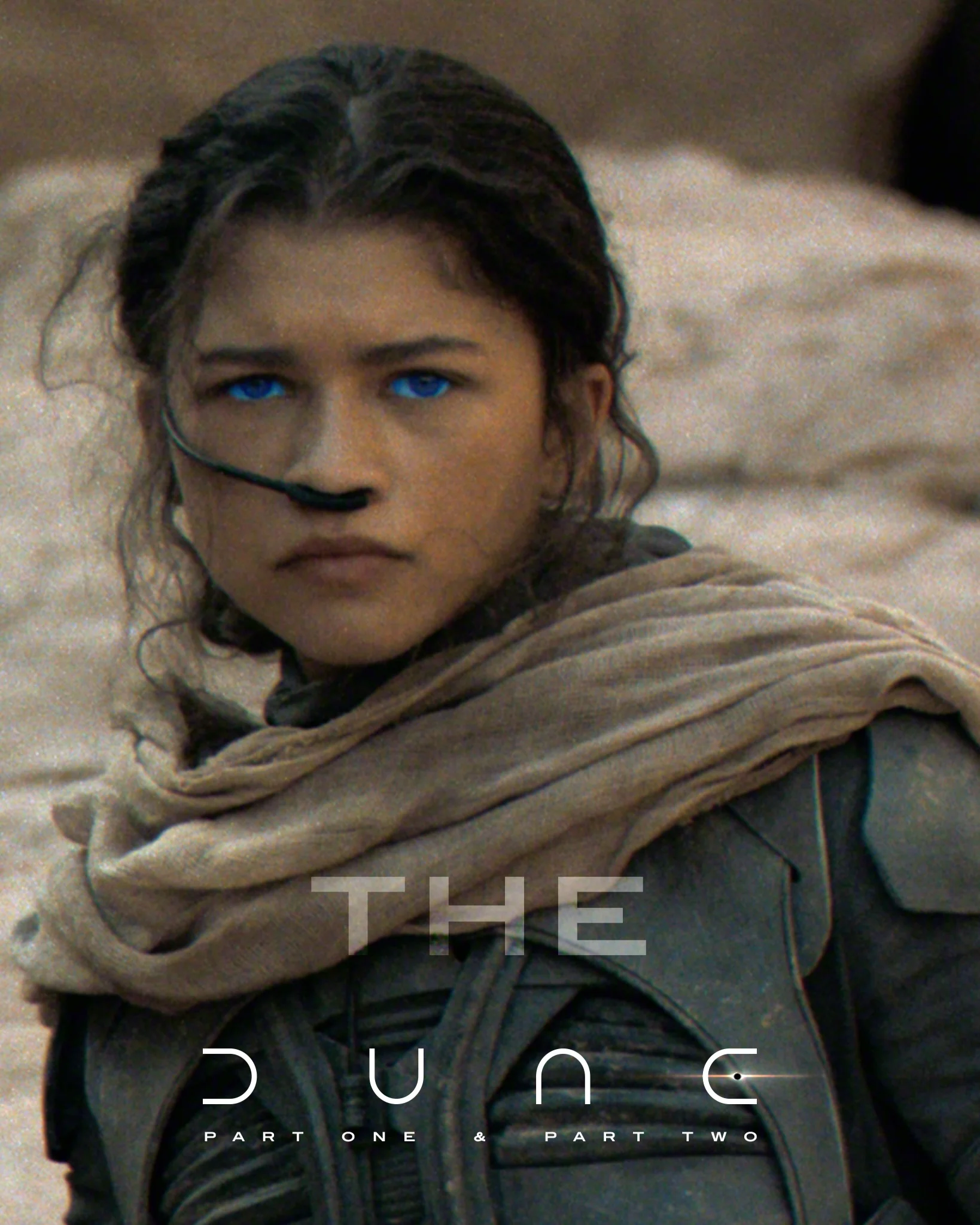
Chani’s Desert-Inspired Style
Zendaya’s character represents a different fashion language. Chani’s Fremen clothing is designed for survival in the desert, with functional layers, earthy colors, and practical silhouettes. The result is a minimalist aesthetic that feels both futuristic and grounded in nature.
The Bene Gesserit’s Dramatic Visual Identity
The Bene Gesserit sisterhood is associated with restrained yet commanding visual styling. Their costumes often feature dramatic shapes, elaborate head coverings, and sophisticated layering that reinforce their influence and authority.
Otherworldly Beauty and Makeup
The beauty aesthetic of Dune is equally distinctive. From Chani’s sun-weathered appearance to the refined styling of the imperial court, makeup helps distinguish the different cultures and characters. Expect an interesting interplay of natural textures, sculptural details, and futuristic beauty concepts.
The ‘Dune’ Method Dressing Phenomenon on the Red Carpet
Beyond the film’s on-screen universe, the Dune press tour rewritten contemporary red-carpet history, pioneering a high-concept form of cinematic “method dressing” that bridged sci-fi lore with museum-grade haute couture. Three iconic looks from the Dune: Part Two world premiere in London—all broken down on GlamCoco—set a new benchmark for red-carpet storytelling:
- Zendaya in Archival Thierry Mugler Robot Couture: Orchestrated by image architect Law Roach, Zendaya stunned Leicester Square in the original 1995 chrome-plated “Machine Human” suit designed by Manfred Thierry Mugler and Jean-Jacques Urcun, paired with a high-jewelry Bvlgari sapphire necklace.
- Florence Pugh in Shimmering Hooded Valentino Couture: Collaborating with stylist Rebecca Corbin-Murray, Pugh channeled the desert sands of Arrakis in a backless chocolate-brown sequin gown with a dramatic draped hood conceived by Pierpaolo Piccioli for Valentino, paired with De Beers transformable diamond cuffs and Aquazzura platform heels.
- Anya Taylor-Joy in Custom Dior ‘Galactic Bride’ Couture: Styled by Ryan Hastings, Taylor-Joy channeled an ethereal Bene Gesserit aesthetic in a sheer, hooded pleated gown inspired by Marc Bohan’s 1961 “Hyménée” bridal design for Christian Dior.
9. Behind the Scenes: Director, Production and Creative Team
Denis Villeneuve returns to direct the third installment, bringing together much of the creative team responsible for the first two films.
Villeneuve is known for his visually ambitious storytelling in films such as Arrival, Blade Runner 2049, and Dune. His approach to the franchise combines large-scale science fiction with intimate character relationships and complex political themes. Where earlier screen adaptations—most notably David Lynch’s cult 1984 adaptation Dune—struggled to compress Herbert’s dense mythology into a single feature, Villeneuve’s trilogy has granted the saga the expansive cinematic scope it demands.
Several key collaborators are also returning:
- Jacqueline West: Costume designer, responsible for the film’s distinctive wardrobe and character aesthetics.
- Hans Zimmer: Composer, returning to create the atmospheric musical world of Arrakis.
- Linus Sandgren: Director of photography, responsible for the film’s visual composition.
- Patrice Vermette: Production designer, helping build the physical and architectural world of the film.
- Joe Walker: Film editor, continuing his collaboration with Villeneuve.
Principal photography began in July 2025, with production taking place in Hungary and the United Arab Emirates. NFI Studios in Fót, near Budapest, served as a major Hungarian production location, while Abu Dhabi’s Liwa Desert once again provided the sweeping desert landscapes used to represent Arrakis.
The production also benefits from the technical expertise of the visual-effects team at DNEG, which has helped bring the franchise’s extraordinary environments and creatures to life.
10. What Makes Dune: Part Three Different From the First Two Films?
Each film in Villeneuve’s trilogy explores a different stage of Paul’s journey.
The first film introduces the world of Arrakis, the Atreides family, and the prophecy surrounding Paul. The second focuses on his transformation, his relationship with the Fremen, and his rise to imperial power.
The third film shifts the perspective toward the consequences of that transformation.
Villeneuve has described the new installment as having a different tone, rhythm, and pace from its predecessors. While the first film was more contemplative and the second centered on war, the third moves toward a more action-driven and tense thriller.
At its emotional center, however, remains the relationship between Paul and Chani.
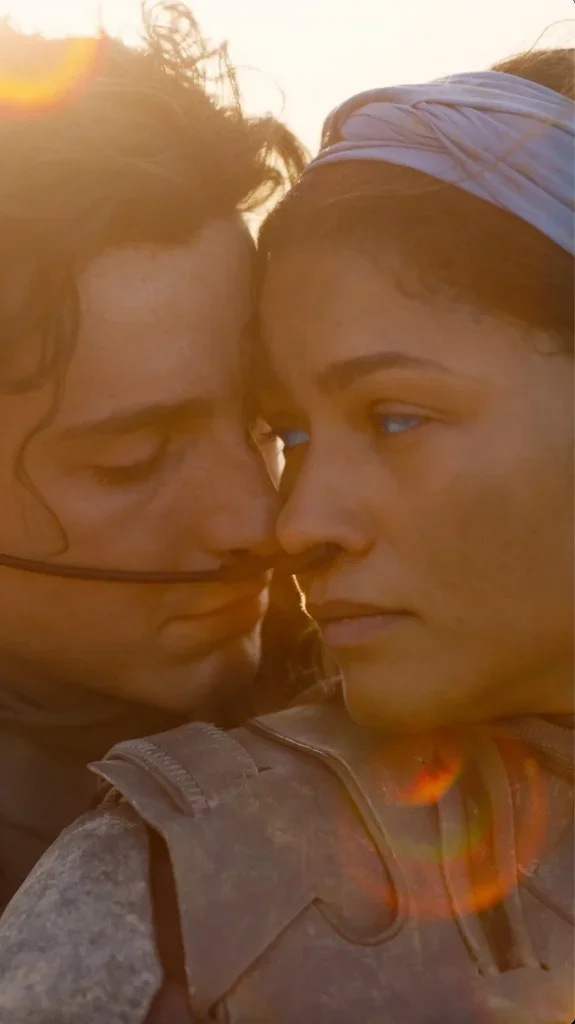
Instead of asking whether Paul can conquer the universe, the story explores whether he can escape the cycle of violence and political power that he helped create.
Final Thoughts: A Darker Return to Arrakis
Dune: Part Three promises to take audiences back to one of the most visually distinctive science-fiction universes in modern cinema. With Timothée Chalamet and Zendaya returning alongside Florence Pugh, Anya Taylor-Joy, Robert Pattinson, and Jason Momoa, the film brings together a compelling cast for the next stage of the Atreides story.
“Ultimately, Dune: Part Three asks a much more complicated question than whether Paul can rule the universe: Can a prophet escape the prison of his own prophecy, or must he destroy the empire built around his name to save the future?”
For longtime fans, it offers a chance to explore the consequences of Paul’s rise to power and the deeper mythology of Frank Herbert’s universe. For newcomers, understanding the first two films, the major characters, and the political world of Arrakis will make the experience much more rewarding.
And for fashion and beauty enthusiasts, the return of Jacqueline West and the film’s richly imagined visual universe provide another reason to look forward to the premiere.
Dune: Part Three arrives in North American theaters and IMAX on December 18, 2026.
Have a look you’d like to see featured on GlamCoCo?
Celebrities, stylists, artists, and brands can submit looks directly to our editorial team for consideration.
Featured Celebrities










Related Looks
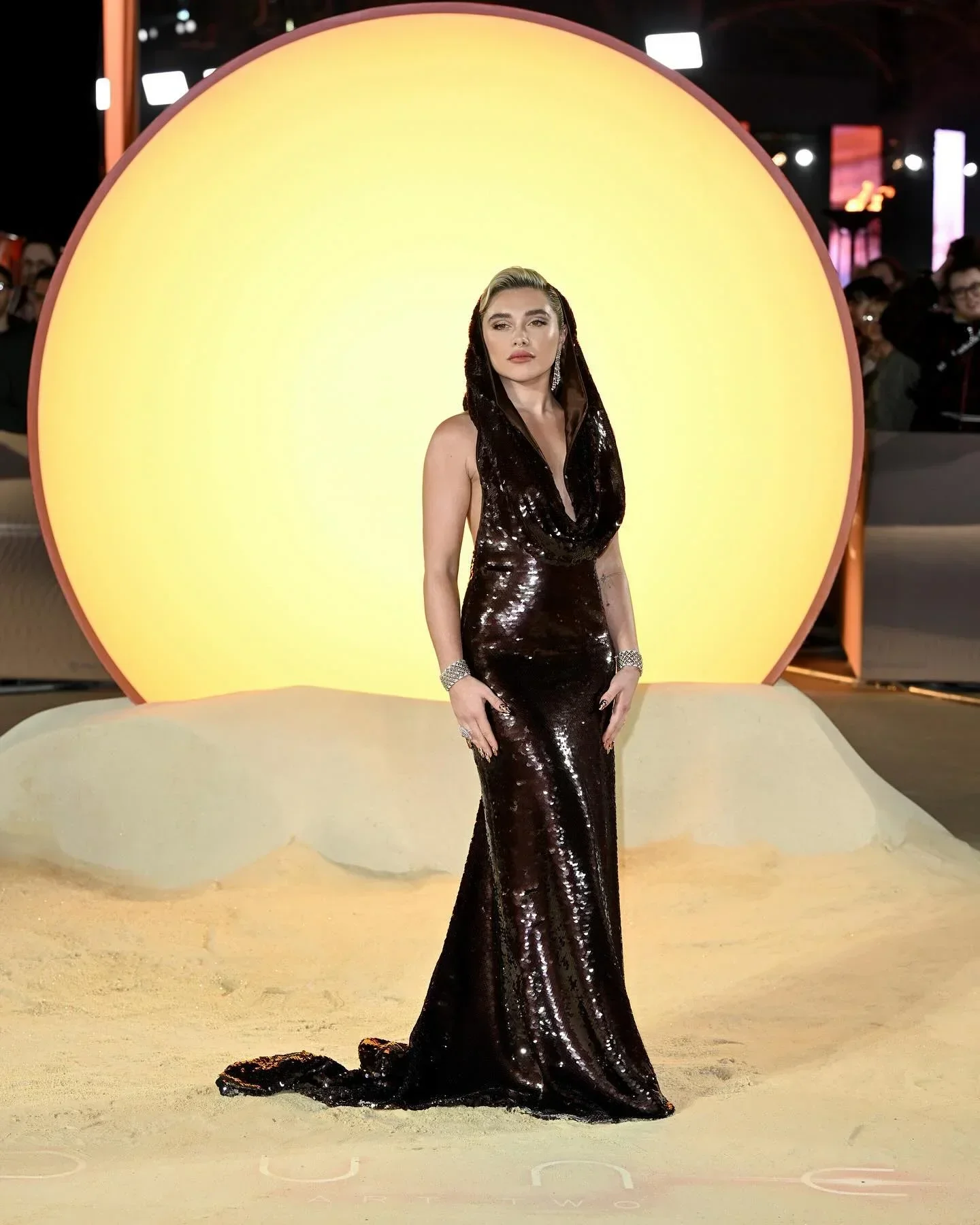
Florence Pugh Channels Arrakis in a Shimmering Hooded Valentino Gown at the Dune: Part Two Premiere

Zendaya in Archival Mugler at the 'Dune: Part Two' London Premiere

Zendaya in Custom Jacquemus at The Odyssey London Photocall

Zendaya in Custom Christian Cowan at the Spider-Man: Brand New Day Photocall in Madrid
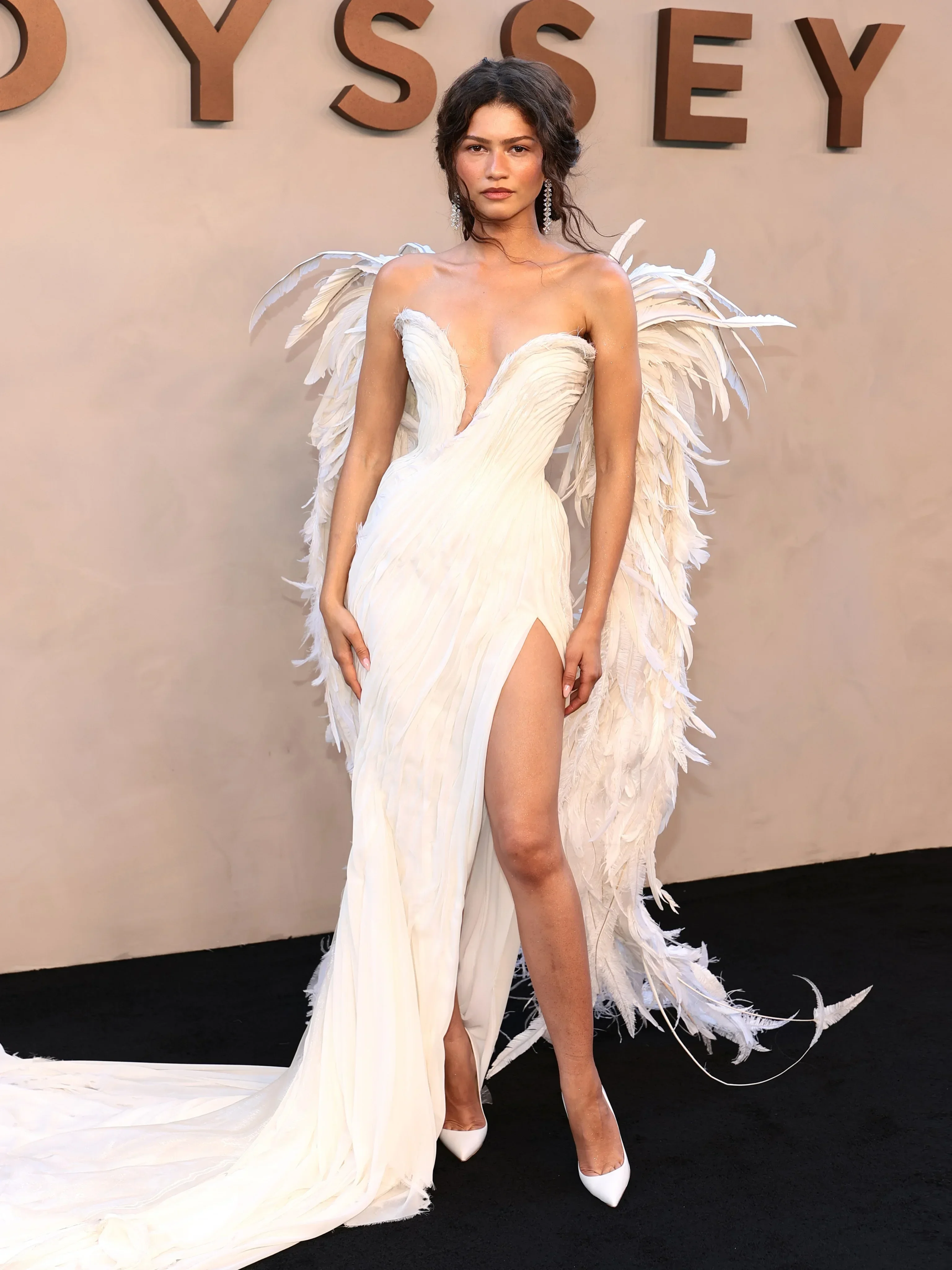
Zendaya Channels Athena in a Breathtaking Winged Gown at The Odyssey Premiere

Zendaya in Coach at the Spider-Man: Brand New Day Photocall in Berlin

Anne Hathaway at the "A Night with Runway" Gala for The Devil Wears Prada 2
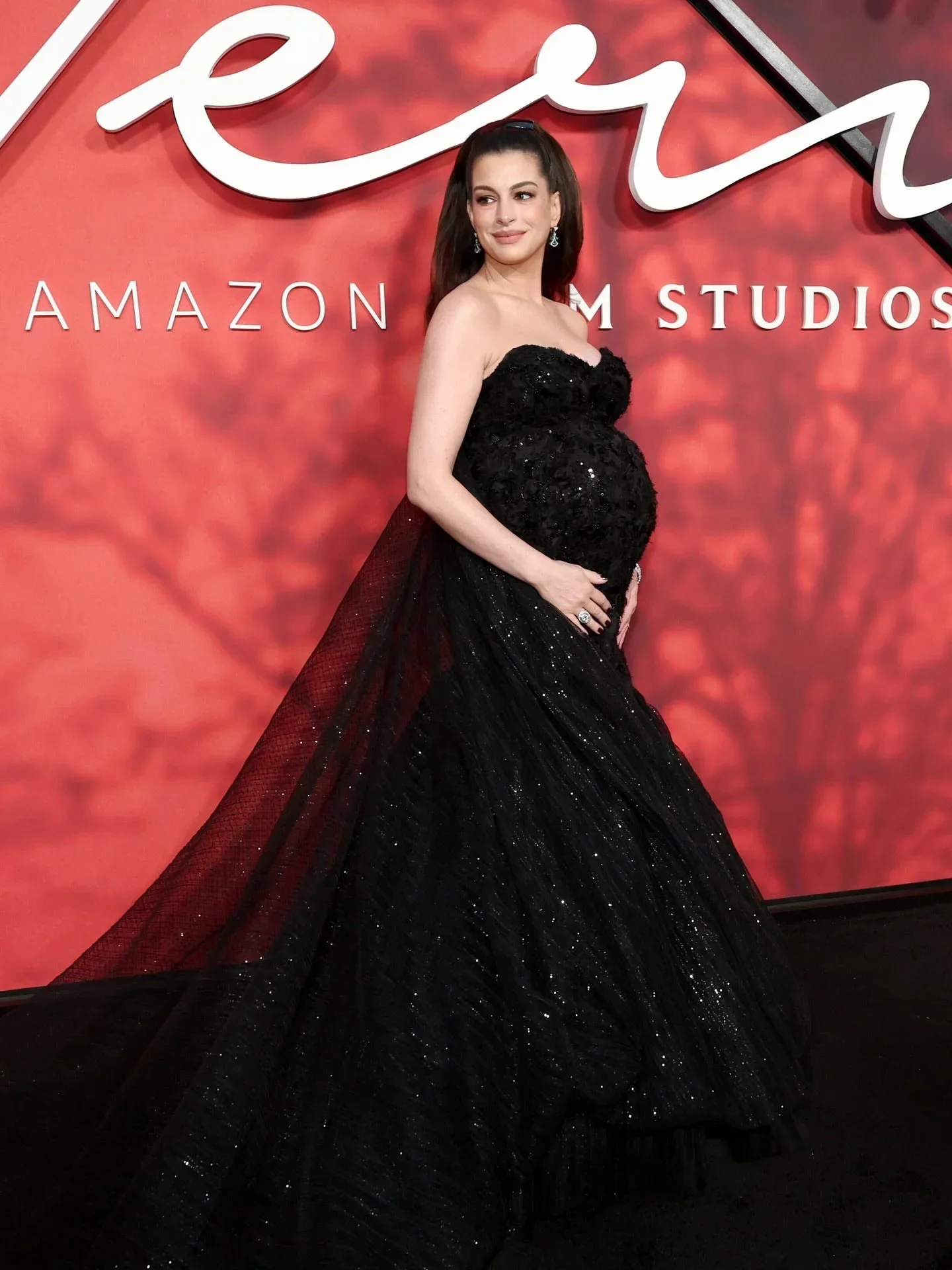
Anne Hathaway Stuns in an Atelier Prabal Gurung Mermaid Gown at the Verity Premiere
Related Stories

Something Old, Something Blue: Decoding Zendaya’s 'The Drama' Method Dressing

“The Drama” Becomes A24’s Third-Biggest Opening Ever — And a Defining Moment for Auteur Pop Cinema

Anne Hathaway Enters Her Darkest Chapter Yet in the Twisted Psychological Thriller Verity

The Devil Wears Prada 2: Why Andy Sachs’ Return Is the Cultural Pivot We Need in 2026

Every Anne Hathaway Look From The Devil Wears Prada 2 Press Tour and Premieres

The Altar of Anxiety: Decoding the Visual Tension of A24’s The Drama

The Meta-Erosion of the Muse: Why Charli xcx’s The Moment is the Final Death of the ‘Era’
